
CIVIC LEADERSHIP
ECONOMIC DEVELOPMENT SYMPOSIUM
South East Chicago Commission (SECC) hosted the 8th annual regional economic development symposium focusing on economic growth and prosperity of small businesses.
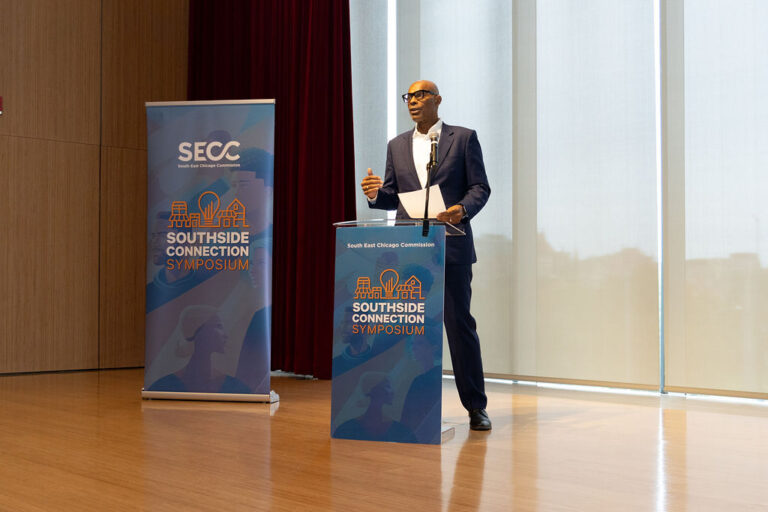
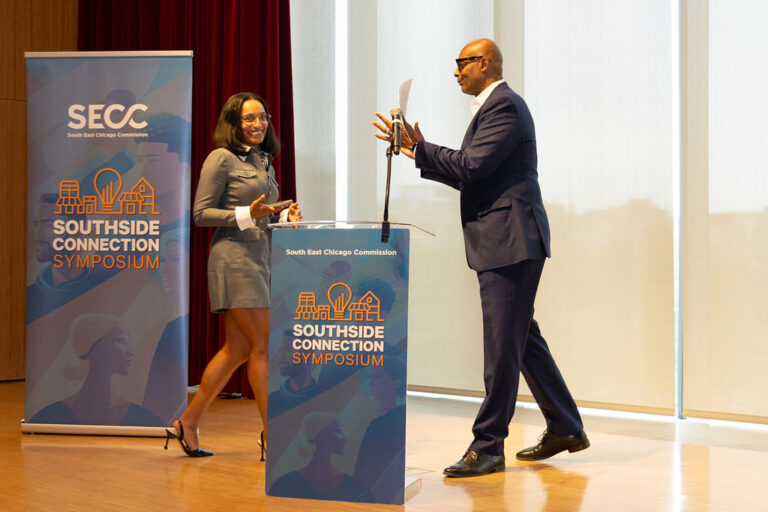
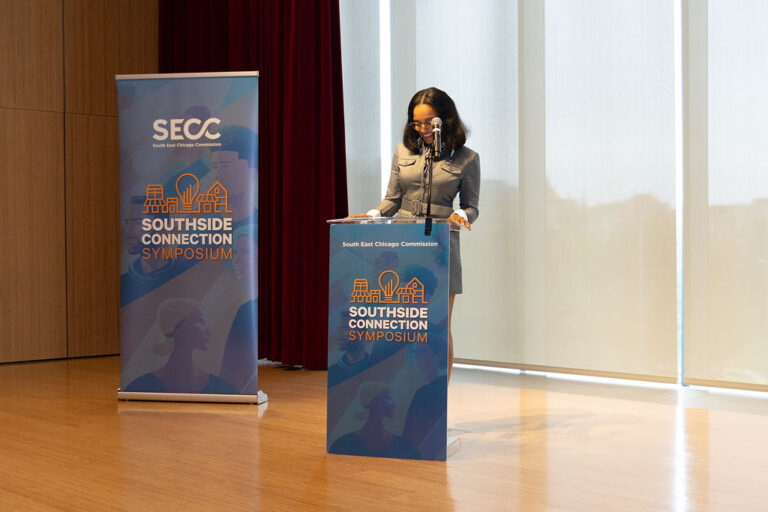
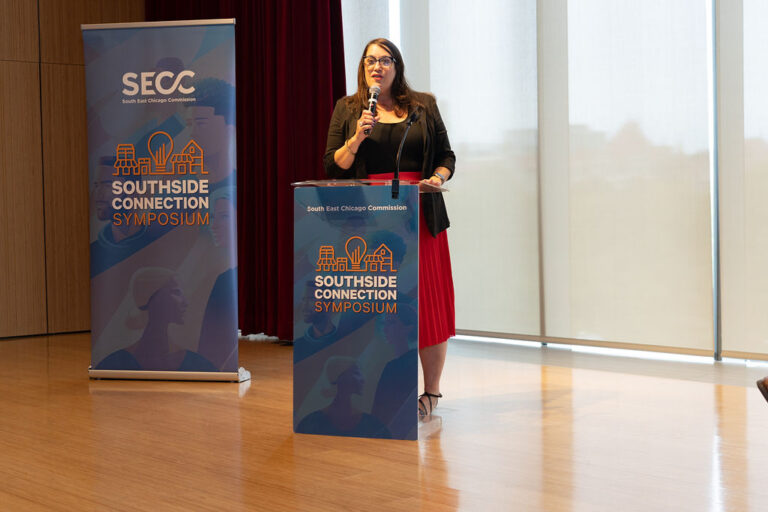
The 2026 SECC Southside Connection Symposium focused on opportunities for business development, changes in the local marketplace, and investments in regional commercial corridors. Chicago entrepreneurs, business executives, property owners, investors, practitioners and policy leaders attended the Symposium at The David Rubenstein Forum. #seccsymposium2026
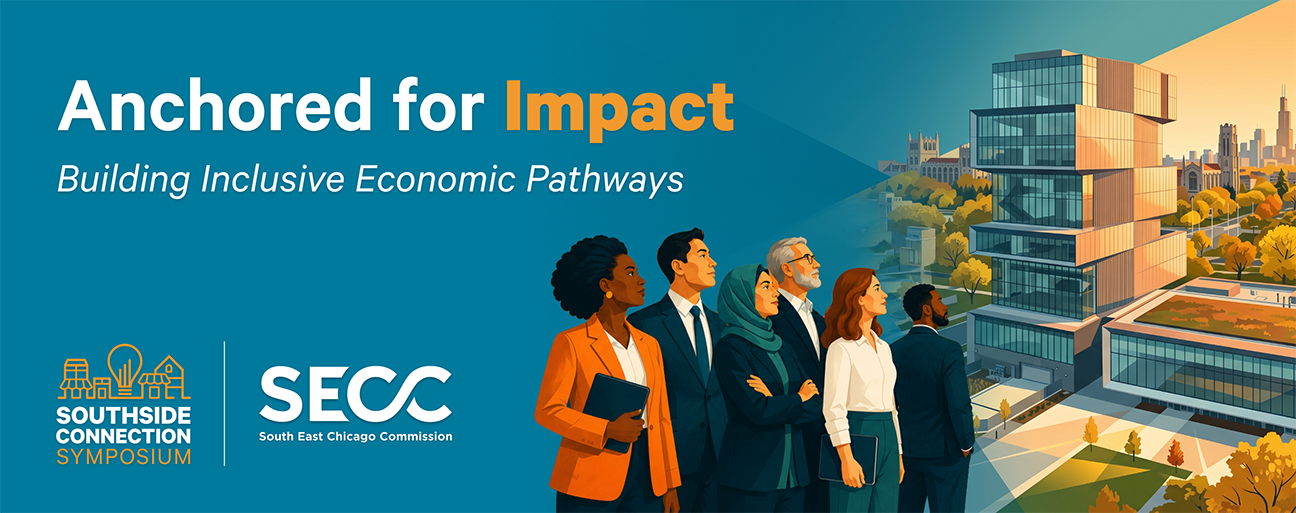
2026 Southside Connection Symposium
Building Inclusive Economic Pathways
- Anchored for Impact: Aligning institutional investments, anchor partnerships, and regional capital with community-centered growth.
Why Attend:
- Business Owners: Position for anchor procurement, access commercial corridor capital, and tap into new foot-traffic drivers.
- Community Leaders: Secure policies and partnerships that advance equitable development while protecting neighborhood stability.
- Residents: Connect to high-growth workforce pipelines and ensure public investments enhance your neighborhood’s quality of life.
Connecting Businesses to Resources and Opportunity
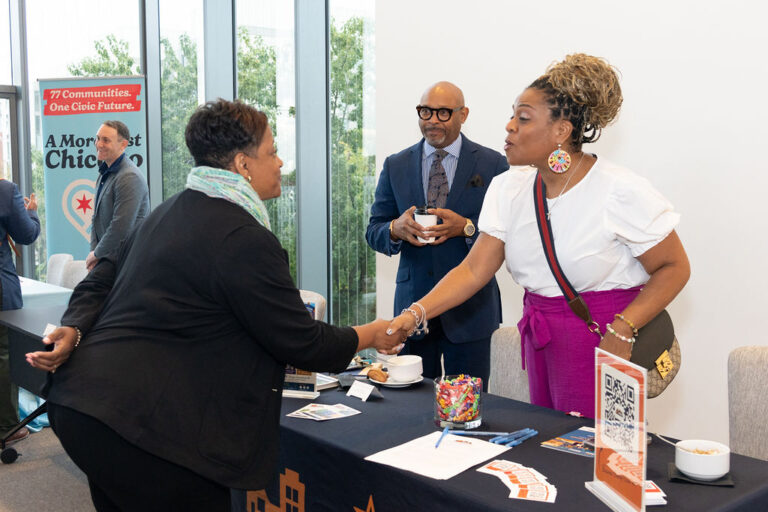
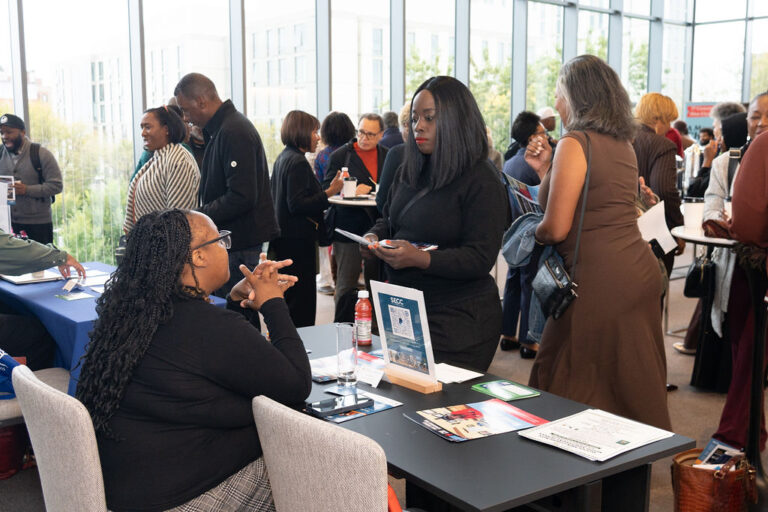
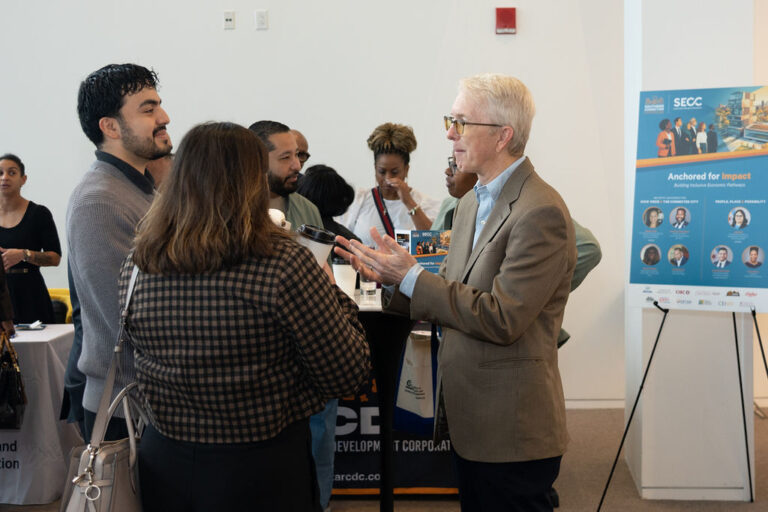
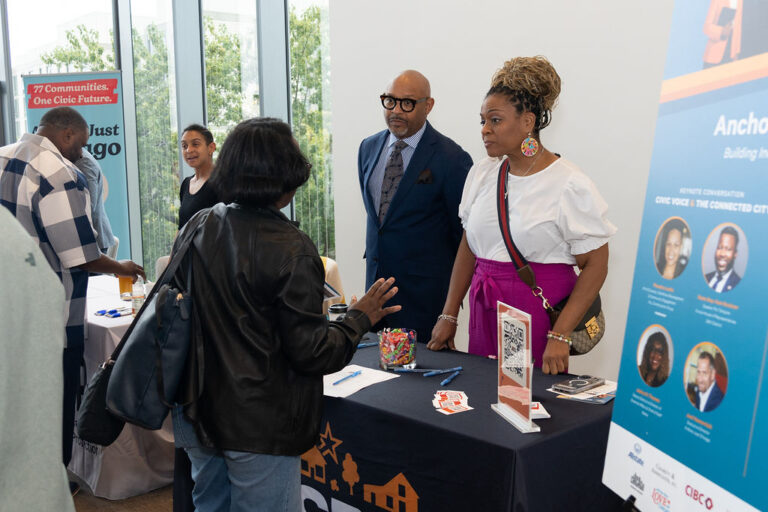
Beyond the featured conversations, the symposium offered networking and direct connections to organizations providing business development, workforce, funding, procurement, City services and community resources.
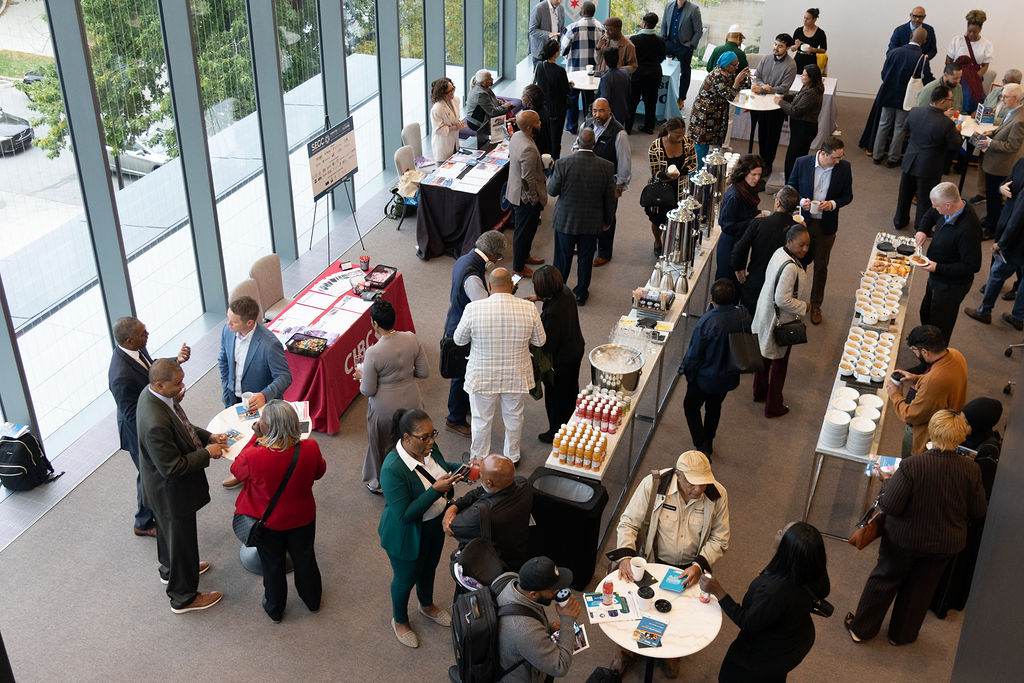
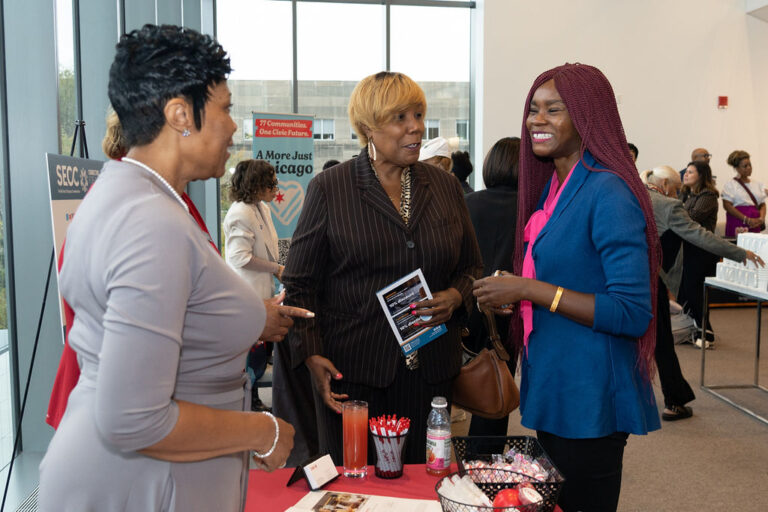
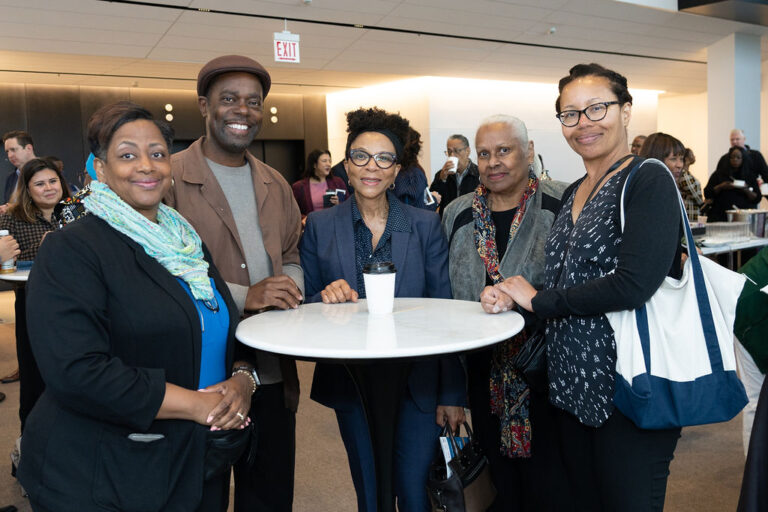
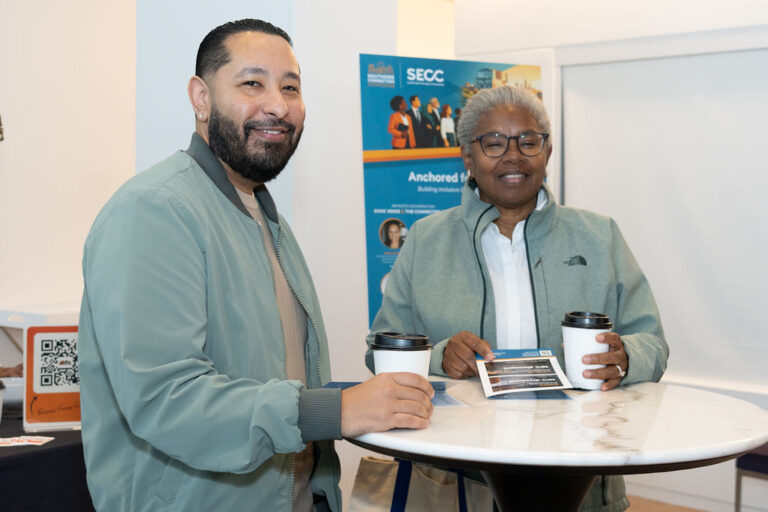
Attendees also received a light continental breakfast and opportunities to build relationships with entrepreneurs, institutional partners, community leaders and business-serving organizations from across Chicago and the region.
Starting the Day
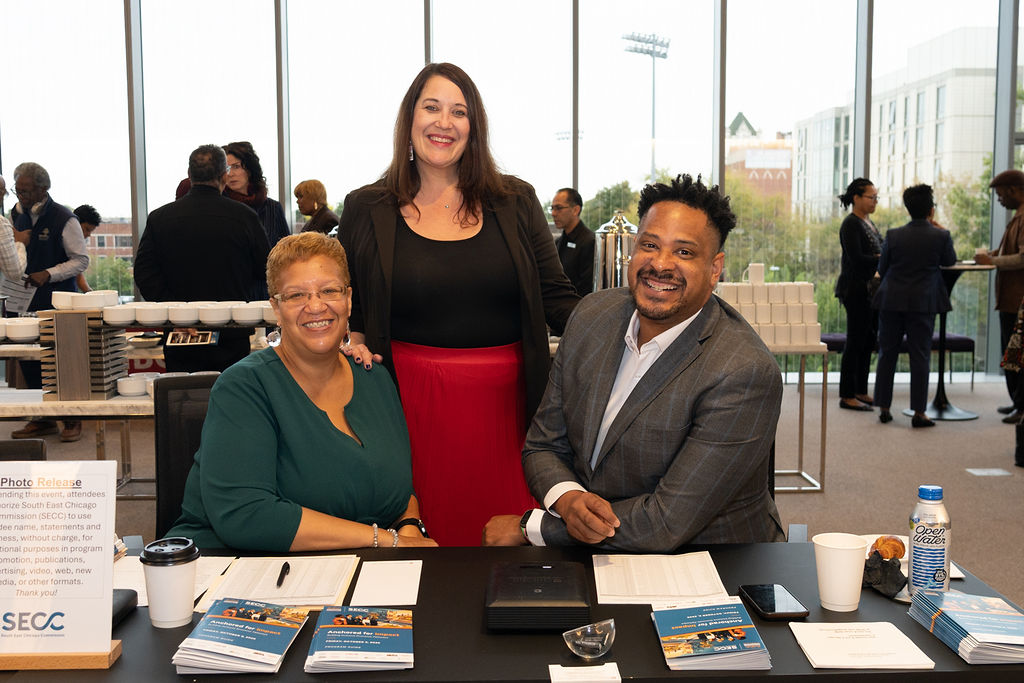
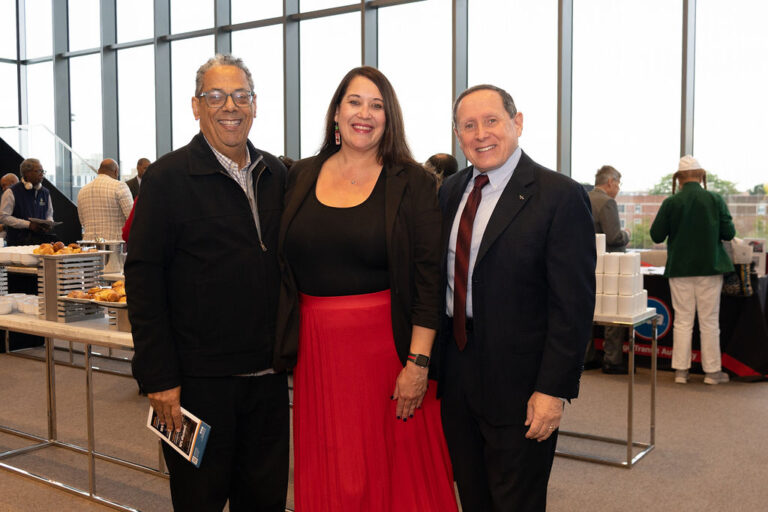
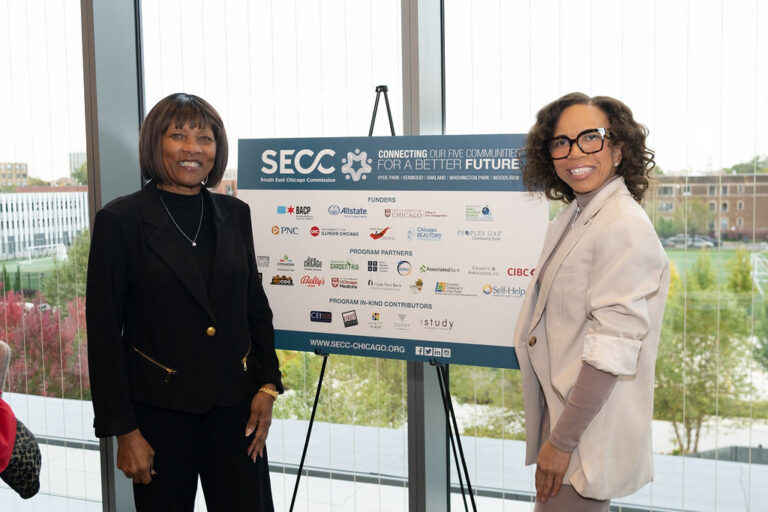
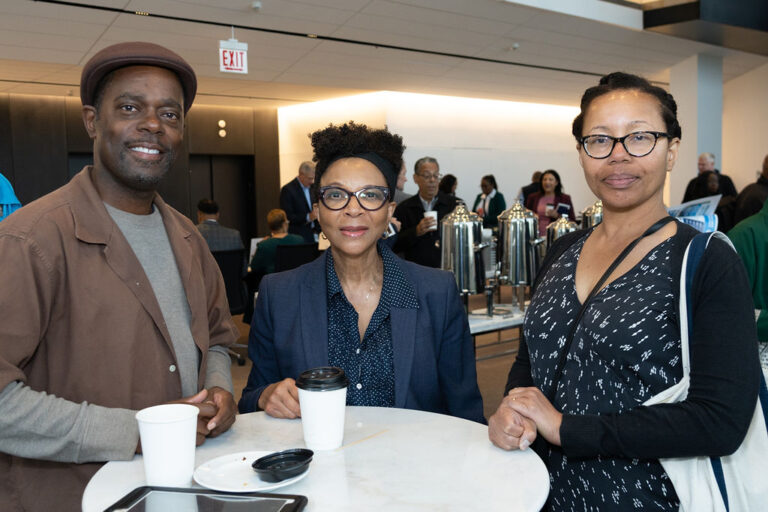
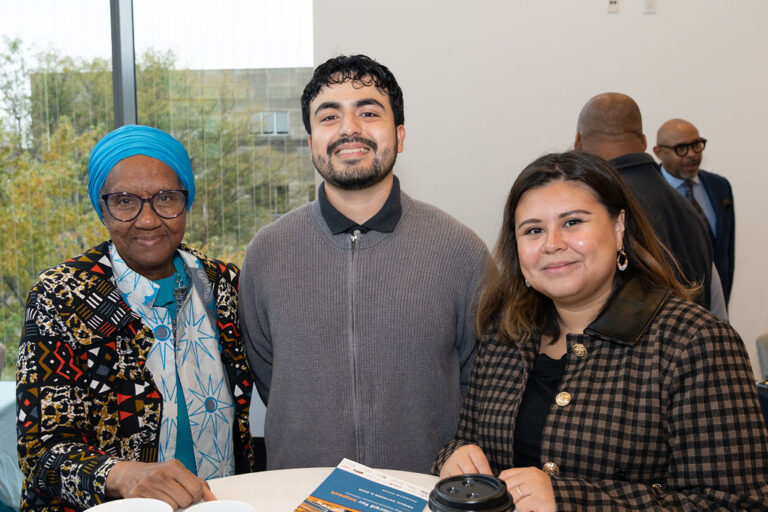
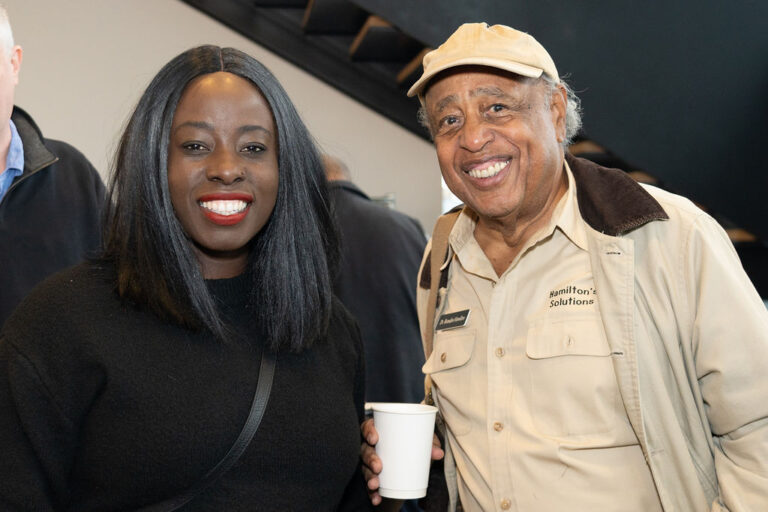
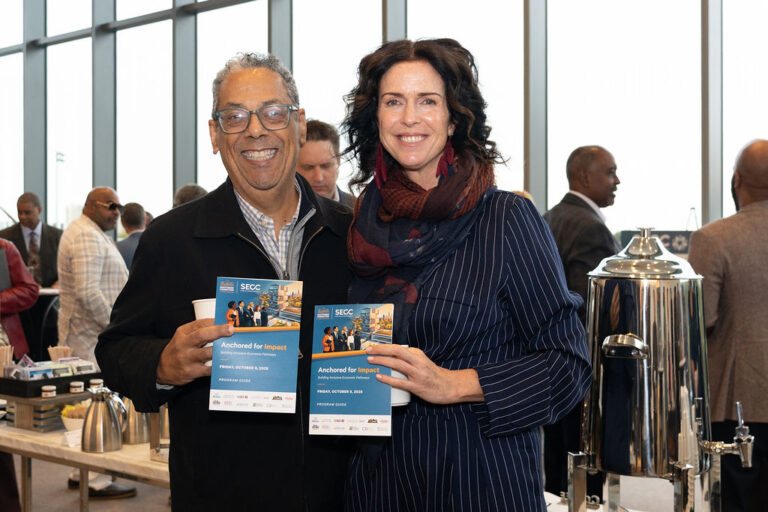
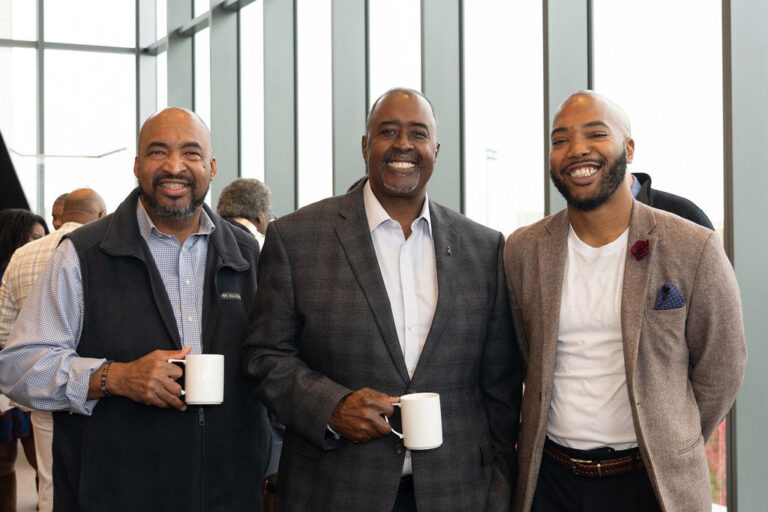
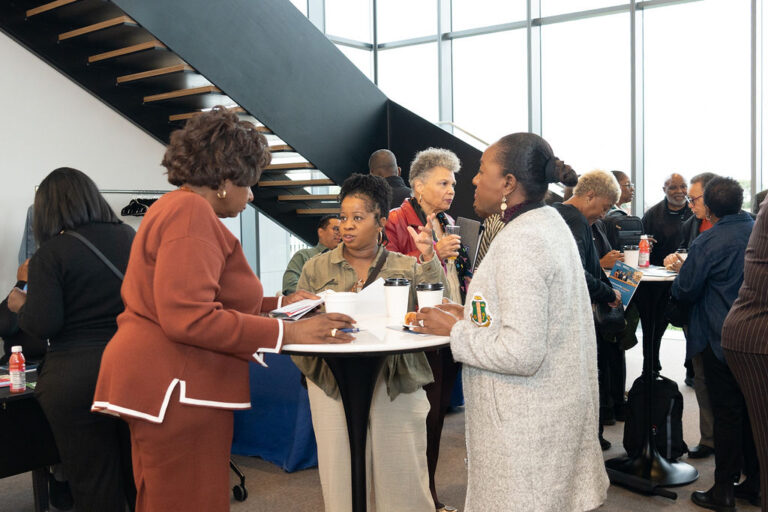
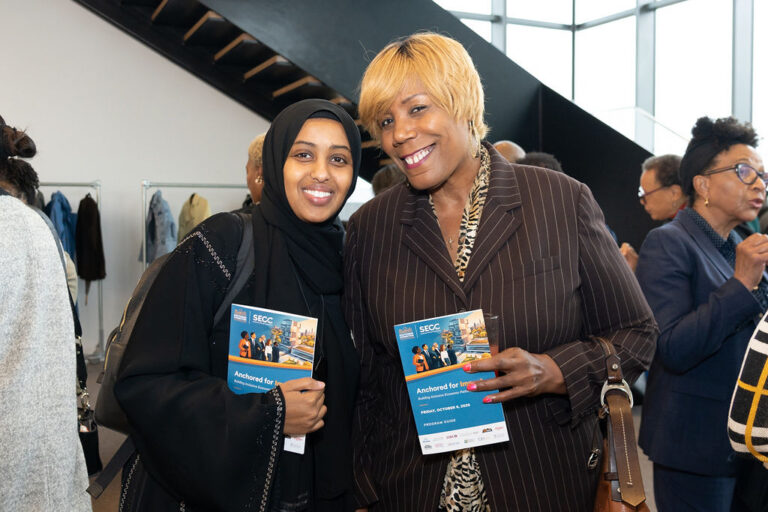
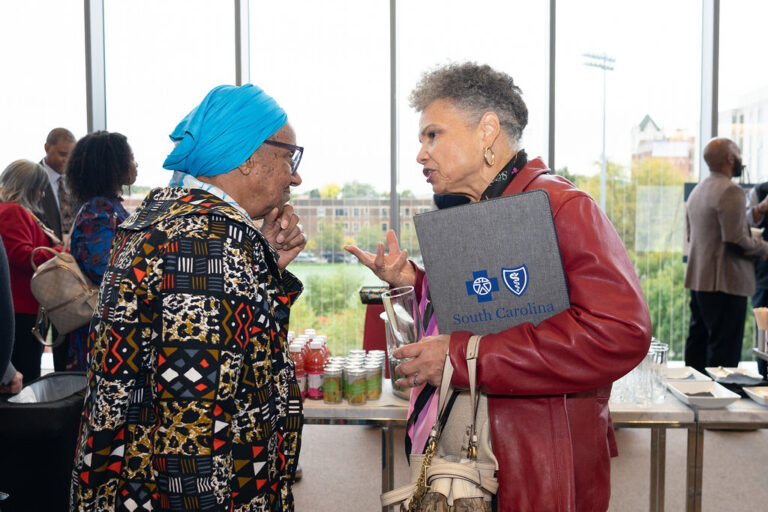
The 2026 SECC Southside Connection Symposium began with registration check-in, casual networking, photos with friends and colleagues, access to business development resource tables and a light continental breakfast by BARDAVID to jumpstart the day.

Keynote Conversation
Civic Voice & the Connected City
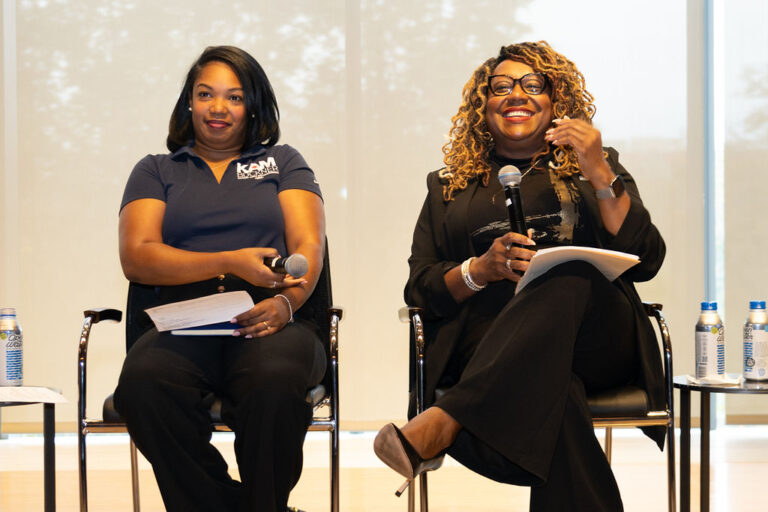
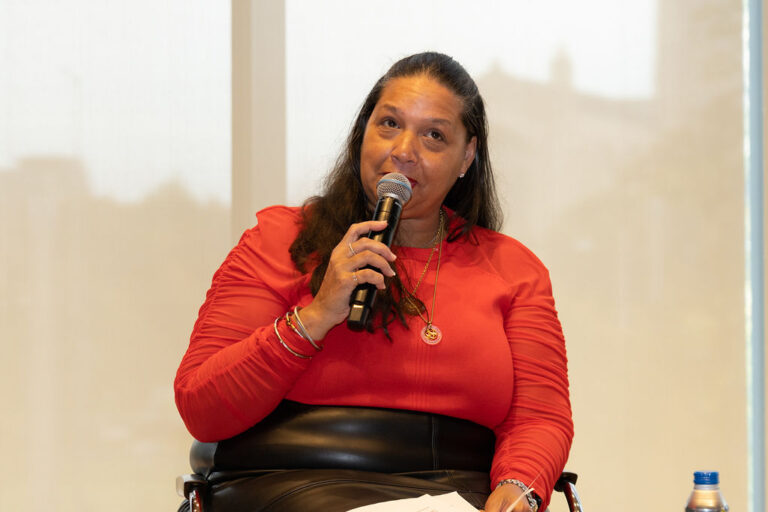
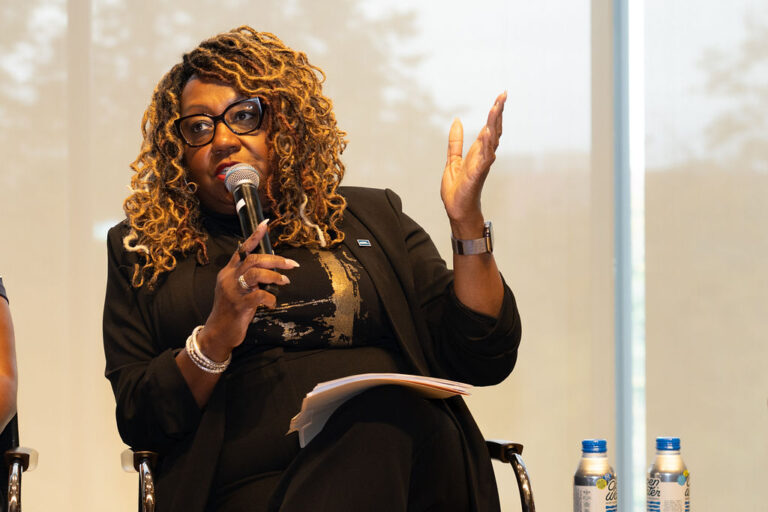
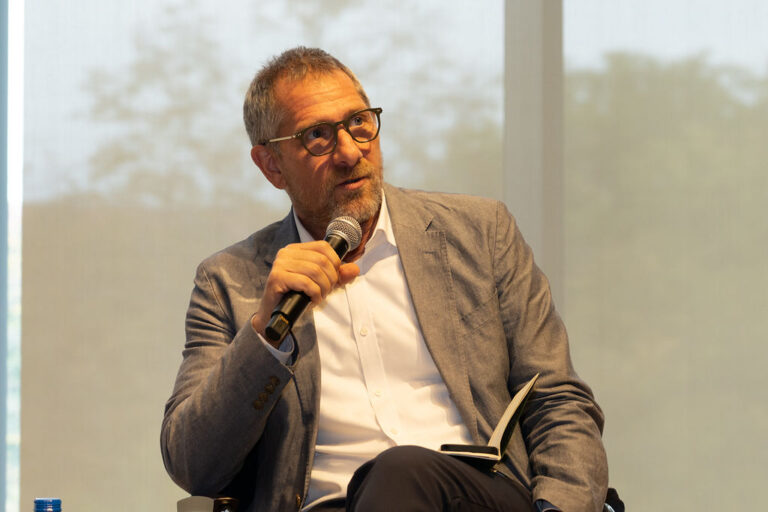
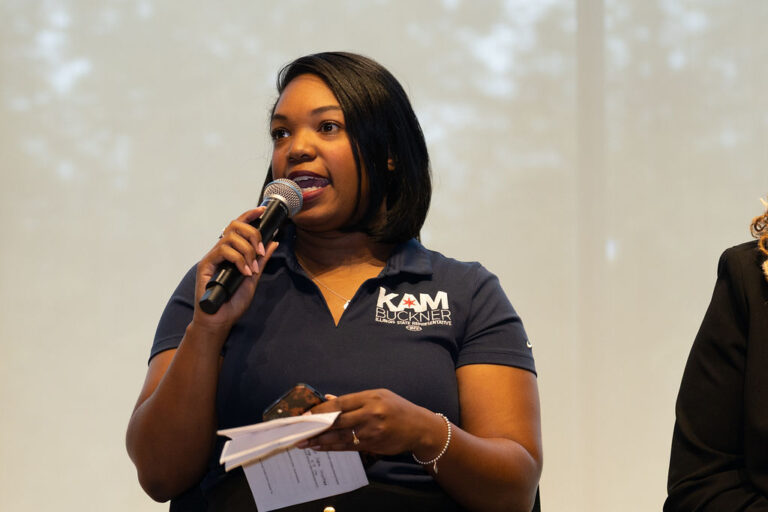
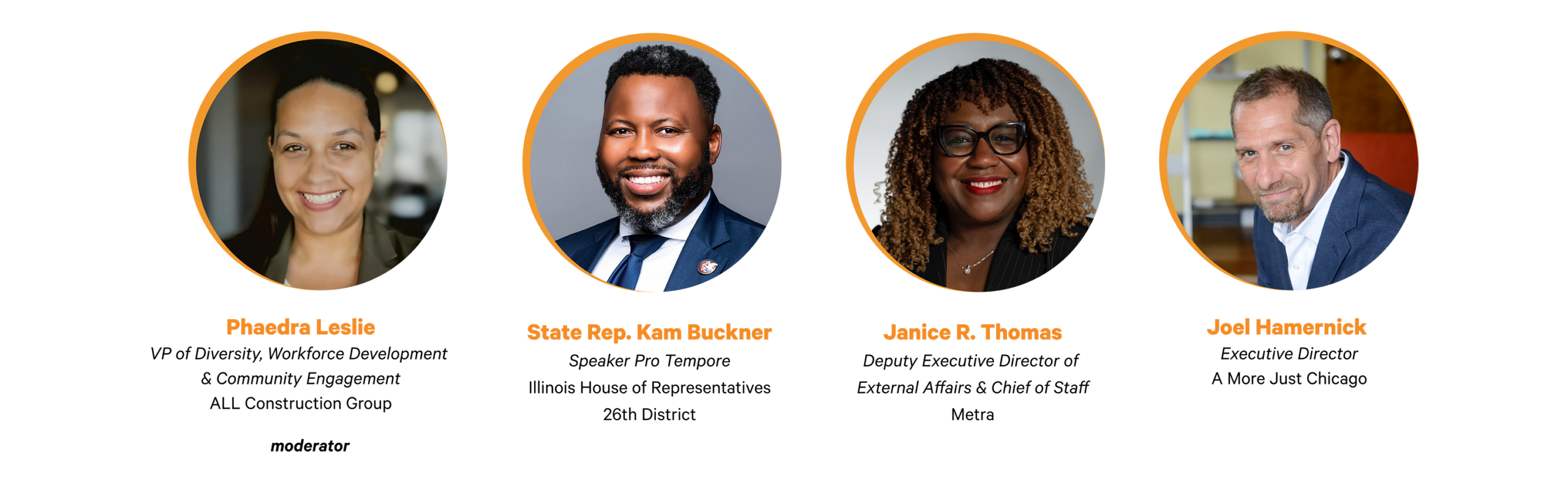
The keynote conversation framed “Anchored for Impact” as a practical model for connecting major investment to people already rooted in South Side communities. Across state policy, regional transportation and local civic governance, the speakers returned to the same principle: investment creates lasting community benefit only when residents and businesses can access opportunity, understand the process, participate early and hold institutions accountable.
The discussion linked transformative transit funding, Metra station modernization, contracting opportunities, state grant processes and Chicago governance reform to a broader question: how can large-scale change strengthen legacy residents, existing businesses and neighborhood institutions rather than move around them?
The panel’s closing synthesis was clear: a connected South Side requires investment, access, opportunity, accountability and community voice working together.
Core Topics:
- Turning major tourism and transit foot traffic into small business revenue.
- Safeguarding neighborhood stability and preventing displacement amid rising investment.
- Aligning city governance through open, repeated, citywide deliberation and codified charter reforms.
Keynote Synthesis
The keynote conversation’s central point was that investment alone is not impact. State government can create funding and policy frameworks. Metra and other regional institutions can translate those resources into mobility, infrastructure and contracting opportunities. Chicago communities can shape how change is governed and who benefits. But each level depends on informed participation from residents, businesses and civic organizations.
In that framework, “Anchored for Impact” becomes a working definition of equitable development: connect major investment to access; connect access to opportunity; connect opportunity to accountability; and ensure community voice is present throughout the process.
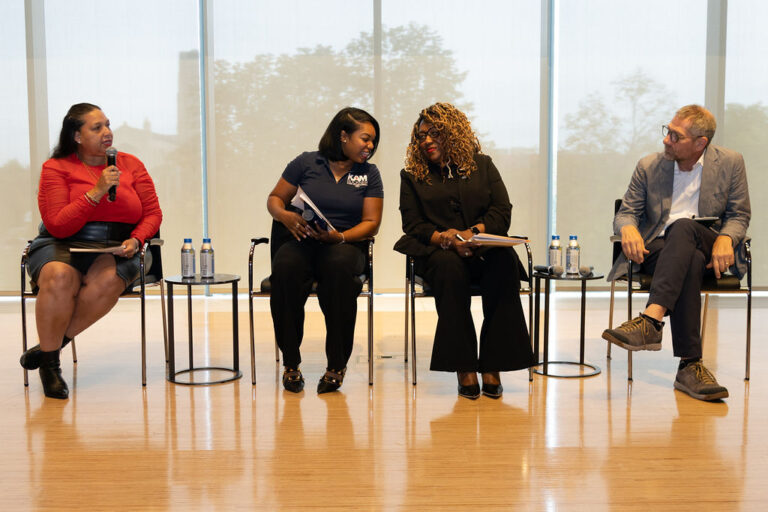
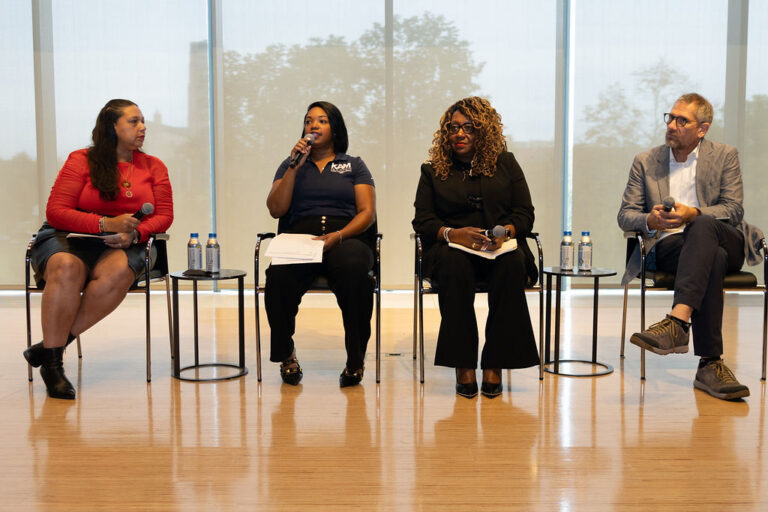
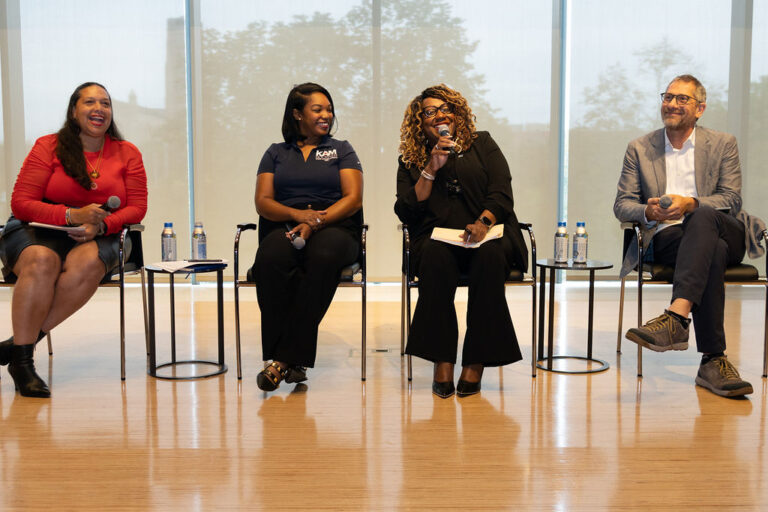
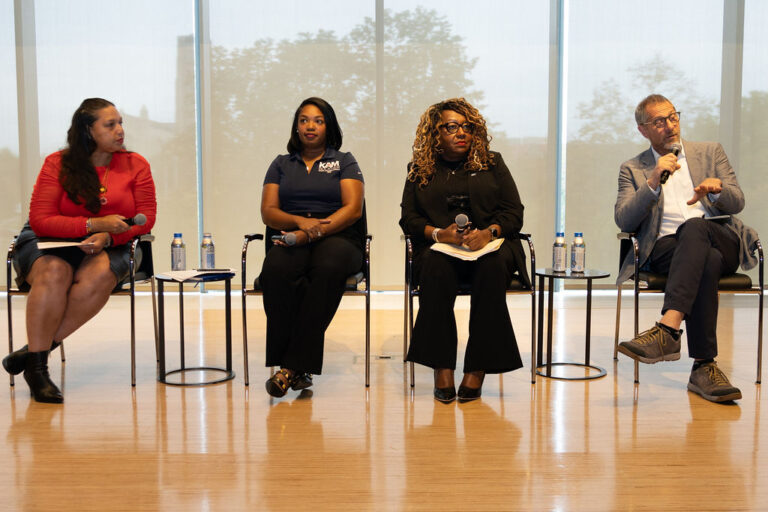
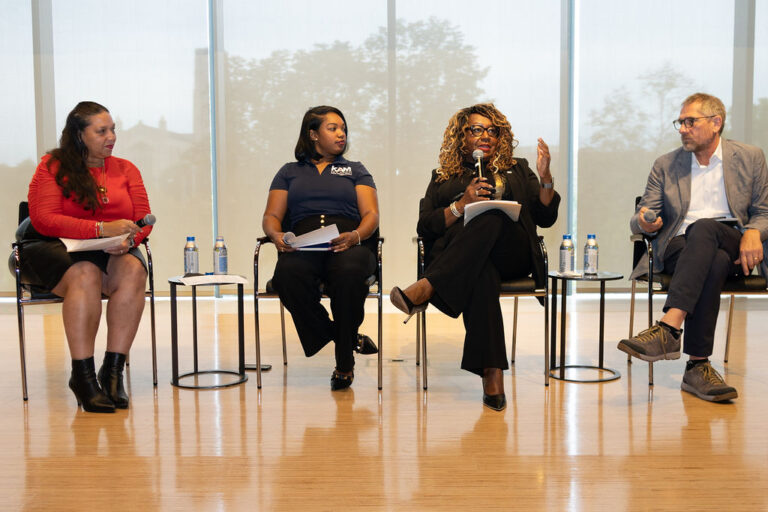
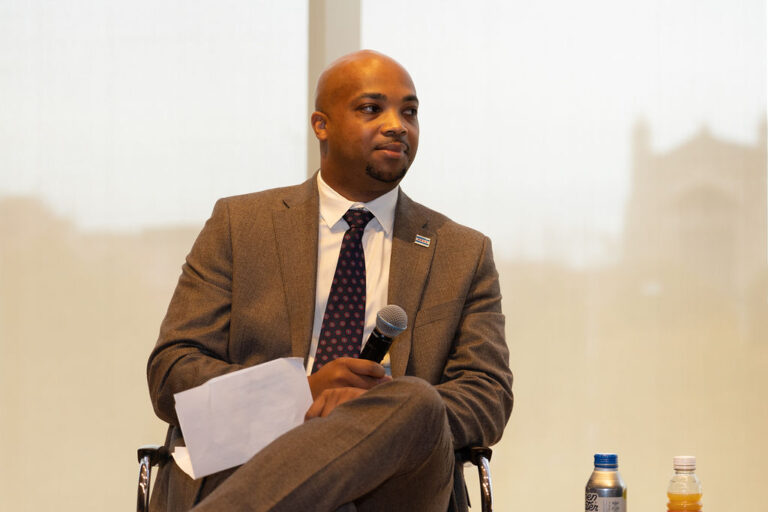
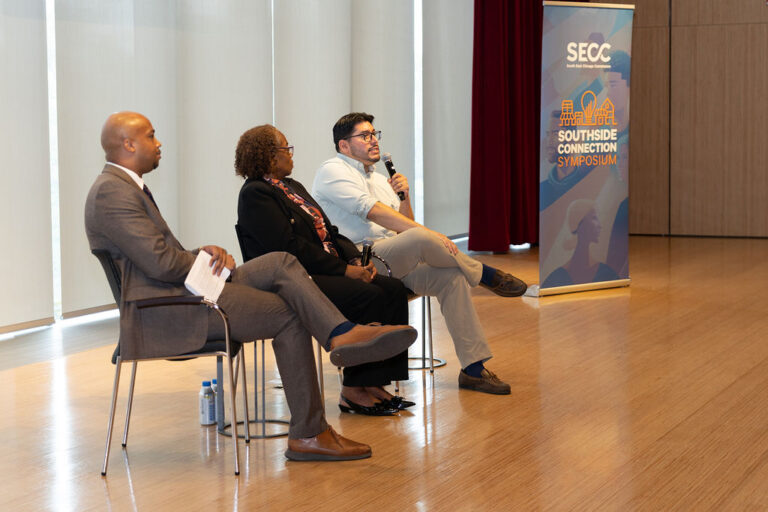
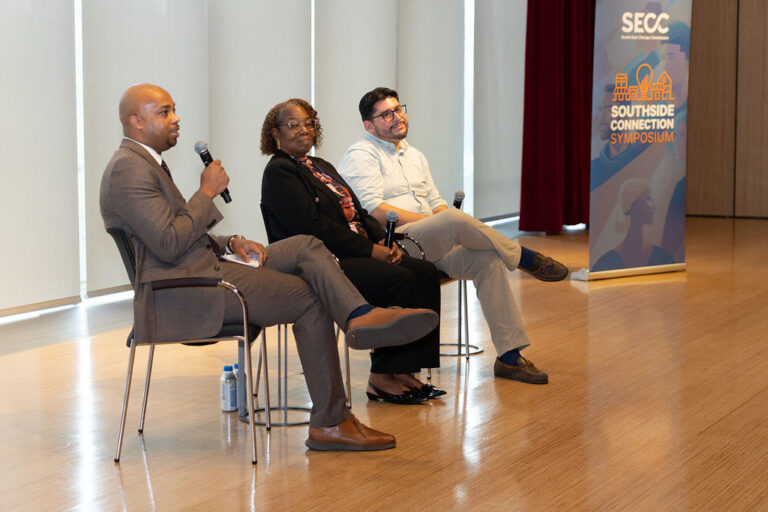
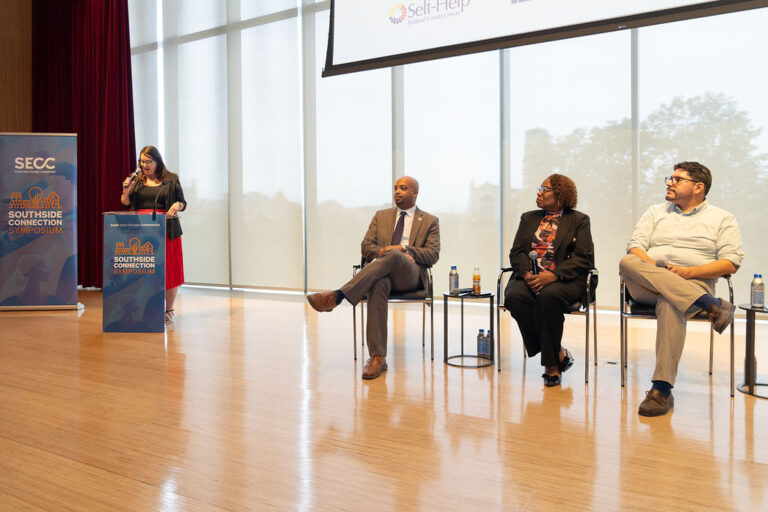
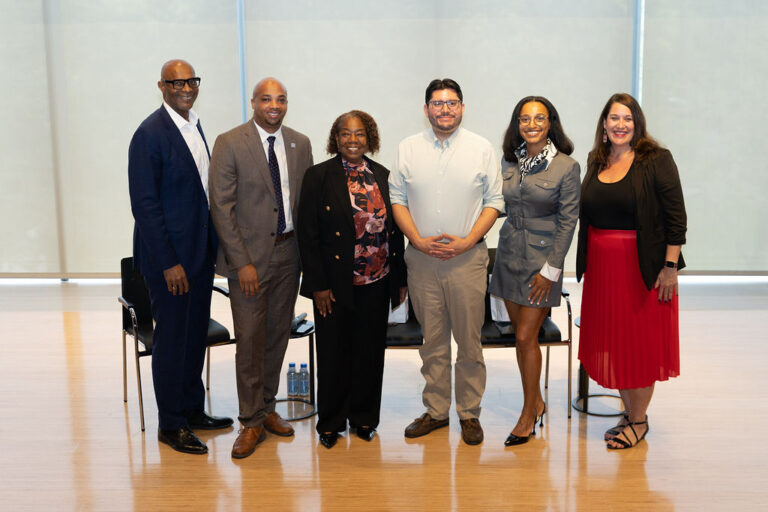
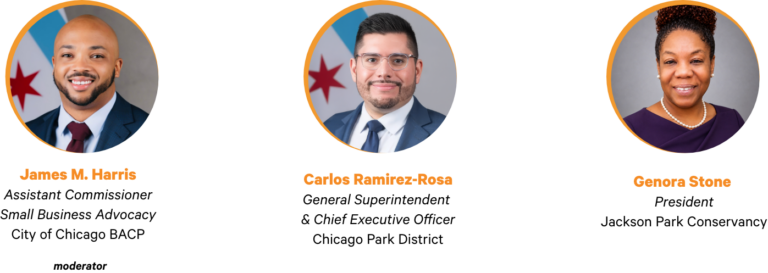
Public Sector Panel
People, Place & Possibility
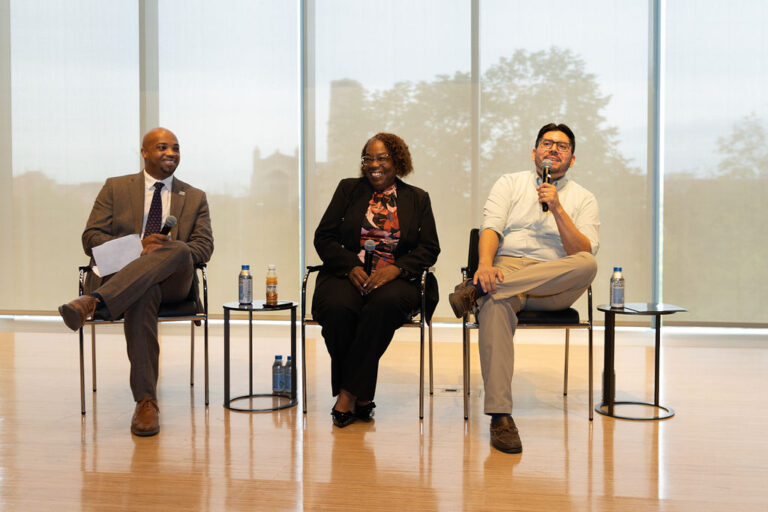
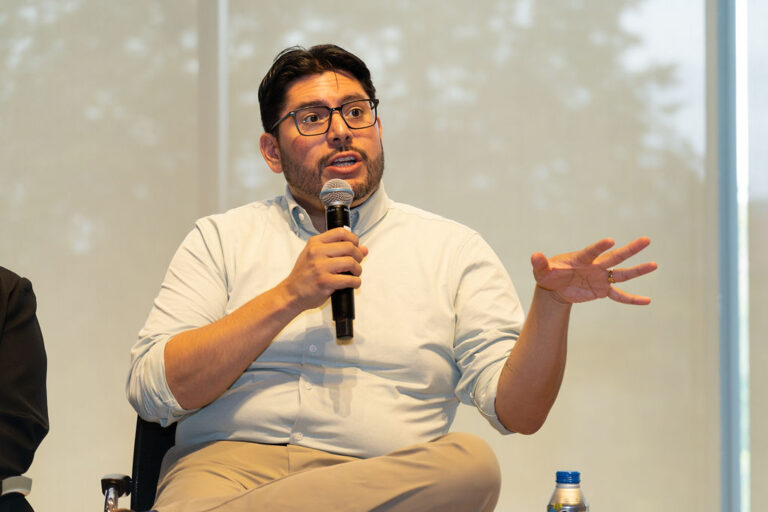
The panel positioned parks not simply as recreational amenities, but as economic, civic, social and workforce infrastructure. Neighborhood parks can generate foot traffic for nearby businesses, create contracting and concession opportunities, employ young people, provide gathering spaces and give residents tangible ways to shape public investment.
A consistent theme was that strong public spaces require collaboration. The Chicago Park District can invest and program, but neighborhood impact also depends on residents, Park Advisory Councils, conservancies, businesses, elected officials, philanthropic partners and youth-serving organizations.
The conversation moved from the broad value of parks to a practical participation framework: use the parks, organize around them, build relationships with local park leadership, connect young people to employment, pursue business opportunities, contribute resources and participate directly in decisions about public investment.
Core Topics:
- Public Spaces & Vitality: Activating parks and public infrastructure to drive foot traffic and neighborhood commerce.
- Workforce & Emerging Industries: Preparing residents and small businesses for jobs in technology, green infrastructure, and innovation sectors.
- Business Corridors: Ensuring local entrepreneurs participate and can create new jobs as they grow.
Panel Synthesis
The conversation demonstrated that public spaces become powerful community-development infrastructure when people, investment and opportunity are intentionally connected.
People give parks meaning: residents, young people, entrepreneurs, volunteers, Park Advisory Councils and conservancies activate the spaces and help define priorities. Place provides the physical platform: parks influence quality of life, safety, recreation, identity, pedestrian activity and nearby commerce. Possibility emerges when those assets connect to employment, entrepreneurship, contracting, philanthropy and direct resident participation in public investment.
The panel also made clear that no single institution can create these outcomes alone. Major capital improvements require intergovernmental coordination; successful programming requires strong local partnerships; small-business growth requires accessible government systems and prepared entrepreneurs; and youth opportunities require both available programs and adults who connect young people to them.
2026 Symposium Sponsors
